
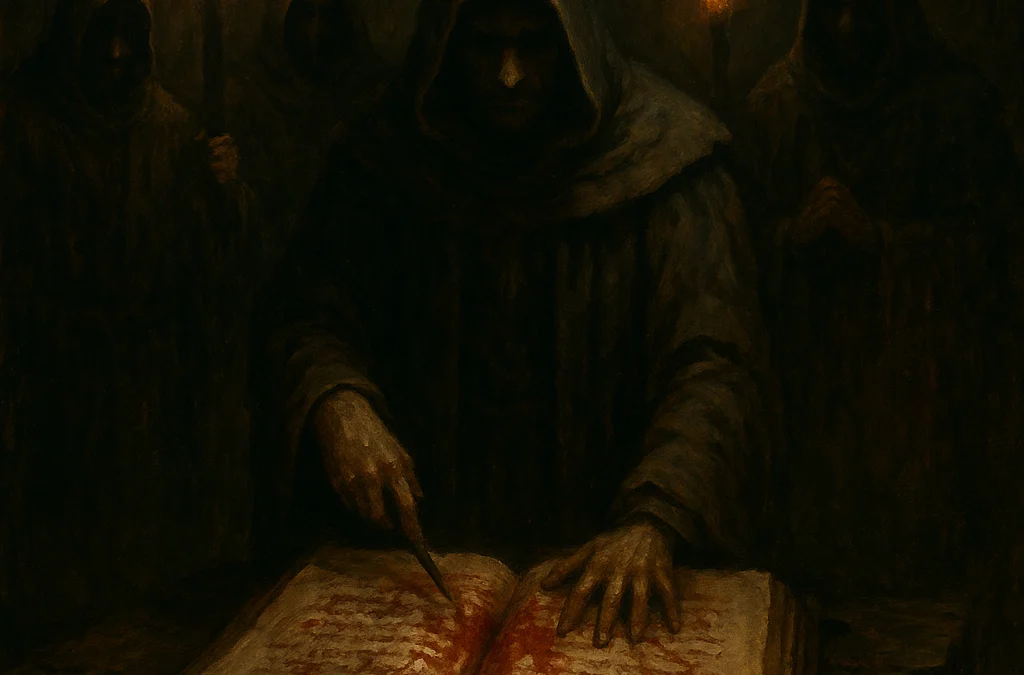
In The Knife in the Dark, the story pulls back the veil on one of the strangest and most dangerous sects in the Sevenlands: the Cult of Aeglar. They don’t come with the pomp of the Conclave or the weight of armies. They creep instead in alleys, whispered gatherings, and blood-stained cellars, muttering prayers to a god they call the Clever One.
The cult’s obsession is simple and terrifying. To them, wizards were never meant to exist. Magic itself is a flaw in creation, a trial the gods set before humankind. According to their doctrine, as long as sorcery persists, the true gods will never return to the world. To purge magic is to open the door for divine restoration, and they see themselves as holy executioners standing between the people and damnation.
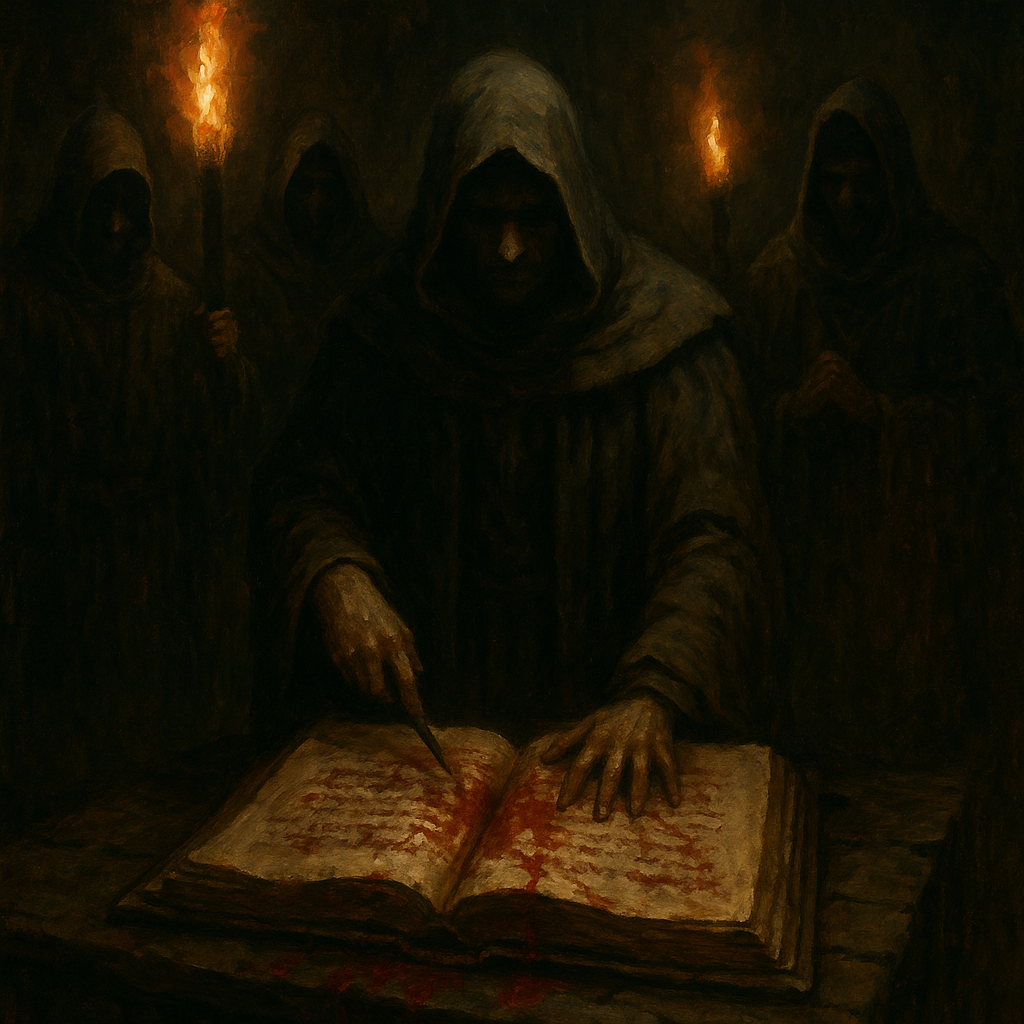
Their faith is written down in a scripture they call the Aeglari Codex. The pages burn with the language of prophecy and judgment, laying out a vision of sacrifice, trials, and purification through blood. For the cultists, every wizard executed and every sorcerer cast down is another step toward summoning the gods back from their long silence. What the Conclave sees as knowledge and order, the cult brands as corruption and sin.
When Dormael and D’Jenn cross their path in Gameritus, the true danger of the cult comes into focus. They aren’t merely a handful of lunatics howling in the night. They have reach, resources, and the nerve to strike at Conclave agents themselves. Their pursuit of Shawna makes it clear that they don’t just hate sorcerers—they see anyone who is Blessed as marked for death.
The presence of the Cult of Aeglar casts a long shadow over the Sevenlands. If they can spread in secret, operating within the cracks of cities and villages alike, what does that say about the strength of the Conclave’s control? What does it mean for the fragile balance between faith and power? The Conclave may sit in its towers, claiming authority over magic, but in the streets below, there are whispers of the Clever One and promises of a world reborn in the absence of sorcery.
That tension is the real heart of the cult. They are a reminder that even as characters chase the Seven Signs and contend with emperors and armies, there are ordinary men and women driven to madness by faith. And unlike distant kings or faceless generals, the Cult of Aeglar is always near, always watching, always waiting to put the torch to the world in the name of their Clever One.